Exploring the Different Kinds Of Solar Panels and Their One-of-a-kind Advantages
The landscape of solar panels supplies various choices, each with unique advantages matched to various applications. Monocrystalline panels attract attention for their performance and appearances, while polycrystalline designs attract budget-conscious customers. Thin-film modern technology offers versatility in setup. Innovative designs like building-integrated and bifacial photovoltaics even more boost the allure of solar energy. Comprehending these distinctions is necessary for making informed choices. The inquiry continues to be: which kind will best fulfill particular energy demands?
Monocrystalline Solar Panels
Numerous kinds of solar panels are readily available, monocrystalline solar panels are typically concerned as the most effective alternative. These panels are made from a solitary crystal framework, generally silicon, which allows them to convert sunshine into power better than other types. The effectiveness prices for monocrystalline panels can range from 15% to over 22%, making them a popular selection for residential and business setups where space is limited.
Polycrystalline Solar Panels
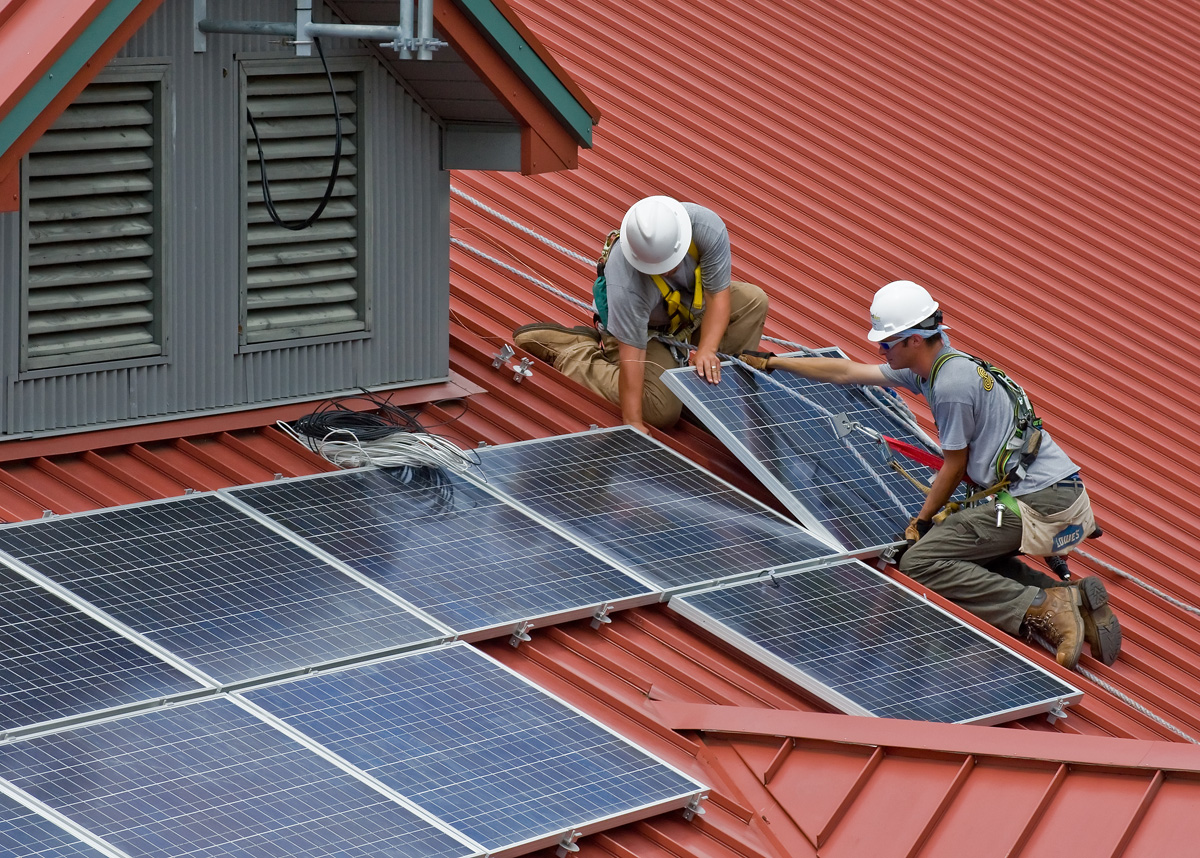
Polycrystalline solar panels are created utilizing a distinct manufacturing procedure that entails melting multiple silicon crystals together. This approach can result in benefits such as reduced production expenses, making them a prominent choice for many consumers. Nevertheless, their effectiveness and efficiency variables may differ compared to various other types of solar panels, necessitating mindful consideration.
Manufacturing Process Benefits
The manufacturing process of polycrystalline solar panels offers a number of advantages that add to their charm in the renewable resource market. The production makes use of silicon scrap, which minimizes waste and lowers material expenses, making it economically feasible. Unlike monocrystalline panels, the manufacturing of polycrystalline panels involves less complex and less energy-intensive strategies, leading to a smaller sized carbon footprint. In addition, the casting procedure permits for the creation of numerous cells concurrently, enhancing effectiveness in manufacturing. This approach likewise brings about a more uniform structure, which can enhance the general performance and durability of the panels. As a result, polycrystalline solar panels present a cost-effective option for consumers while promoting lasting manufacturing techniques within the industry.
Performance and Performance Aspects
How do efficiency and performance elements affect the performance of polycrystalline solar panels? These panels normally display reduced performance rates, balancing around 15-20%, contrasted to their monocrystalline counterparts. Elements such as temperature level level of sensitivity, shielding, and the angle of installation considerably influence their efficiency. Polycrystalline panels have a tendency to perform much better in cooler environments but may have a hard time in high temperature levels, bring about decreased outcome. Furthermore, their performance can be impacted by dirt and particles build-up, requiring routine upkeep. Regardless of these challenges, polycrystalline panels are much more inexpensive and provide a solid balance between cost and efficiency. Recognizing these efficiency and efficiency variables is essential for customers seeking to take full advantage of solar power production and general system effectiveness.
Thin-Film Solar Panels
Thin-film solar panels represent a functional and light-weight choice in the solar energy landscape. These panels are created by depositing several thin layers of photovoltaic product onto a substrate, which can consist of steel, plastic, or glass. This manufacturing procedure enables for greater adaptability in design and applications contrasted to standard crystalline photovoltaic panels.
Thin-film modern technology usually features lower effectiveness rates, yet it compensates for this with lowered manufacturing prices and enhanced efficiency in low-light problems. Their light-weight nature makes them suitable for installation on different surface areas, including bent frameworks and automobiles. Additionally, these panels can be integrated right into building materials, supplying aesthetic advantages along with energy generation.
Bifacial Solar Panels
Bifacial solar panels are acquiring interest for their boosted efficiency and performance, as they can record sunshine from both sides. This dual-sided design permits raised energy production, especially in reflective atmospheres. In addition, their installation offers potential cost benefits, making them an eye-catching alternative for various applications.
Efficiency and Performance
The effectiveness and efficiency of solar panels are necessary consider determining their efficiency in energy generation, with bifacial solar panels sticking out for their cutting-edge design. These panels include photovoltaic cells on both sides, allowing them to capture sunshine from numerous angles. This dual-sided capacity Check Out Your URL boosts power result, specifically in environments with reflective surfaces, such as snow or sand. Bifacial solar panels can boost energy manufacturing by 10-20% contrasted to typical monofacial panels. Their ability to harness indirect sunshine contributes to their overall effectiveness, making them a compelling option for different applications. Furthermore, innovations in innovation remain to boost their efficiency metrics, strengthening their place in the renewable resource landscape as an extremely reliable remedy for solar power generation.
installation and Price Benefits
When taking into consideration the benefits of bifacial solar panels, the installation procedure and cost advantages are substantial aspects that can influence decision-making for both domestic and commercial applications. Bifacial panels can be mounted on numerous frameworks, including rooftops and ground installations, enabling for functional implementation. Their capacity to take in sunshine from both sides improves energy generation without calling for added panels. This performance can result in reduced total installation prices, as fewer devices may be required to accomplish wanted energy outputs. In addition, their longevity usually equates to decrease maintenance costs over time (Residential Solar Installation). Consequently, the long-term economic benefits, integrated with installation versatility, make bifacial solar panels an appealing option for those looking for sustainable energy options
Building-Integrated Photovoltaics (BIPV)
Building-Integrated Photovoltaics (BIPV) stand for a considerable advancement in solar technology, perfectly including solar batteries into building products such as home windows, frontages, and roofs. This ingenious method not just produces renewable resource but also improves the aesthetics and performance of structures. BIPV systems can replace conventional building materials, decreasing the general expense of building and construction while adding go to this site to power performance.
The assimilation of solar technology into architectural design enables much better area usage, as these systems can be set up without needing extra land. Additionally, BIPV services are customizable, allowing designers to produce one-of-a-kind layouts that enhance the structure's general appearance. The dual functionality of BIPV-- serving both as a power generator and a structural component-- provides significant advantages in city settings where area is limited. As awareness of lasting structure techniques expands, BIPV is ending up being a progressively appealing option for developers and homeowners alike.
Concentrated Photovoltaic (CPV) Solutions
Concentrated Photovoltaic (CPV) systems represent an advanced solar modern technology that utilizes lenses or mirrors to focus sunshine onto high-efficiency solar cells. This cutting-edge technique permits for the collection of significantly even more solar power than standard photovoltaic or pv systems. By concentrating sunlight, CPV systems can accomplish greater effectiveness, typically going beyond 40%, making them specifically suitable for locations with high direct sunshine.
Furthermore, CPV systems generally call for less acreage contrasted to traditional photovoltaic panels, as they generate even more power from a smaller impact. These systems commonly incorporate monitoring mechanisms that change the placement of the lenses or mirrors to comply with the sunlight's movement, maximizing power capture throughout the day. However, CPV innovation is ideal suited for certain geographic places, where direct sunlight is bountiful, limiting its applicability in regions with regular cloud cover. On the whole, CPV systems offer an appealing alternative for enhancing solar power production in suitable settings
Comparison of Photovoltaic Panel Performance and Cost
Although different photovoltaic panel modern technologies exist, weblink their performance and cost can significantly vary, affecting consumer selections and market characteristics. One of the most usual types-- polycrystalline, thin-film, and monocrystalline-- show unique characteristics in efficiency and rates. Monocrystalline panels often tend to use the highest possible performance prices, usually going beyond 20%, however they typically come with a higher rate tag. On the other hand, polycrystalline panels are normally extra inexpensive, with efficiencies around 15-20%, making them a popular choice for budget-conscious customers. Thin-film innovations, while less efficient at about 10-12%, give adaptability and reduced installation expenses, appealing to specific applications.
Inevitably, selecting the right photovoltaic panel involves considering the balance between performance and expense. Consumers have to consider their power needs, spending plan restraints, and long-lasting savings possibility, as these elements will certainly determine the very best option for their solar power system.
Often Asked Questions
How Much Time Do Solar Panels Typically Last Before Requiring Substitute?
Solar panels generally last between 25 to thirty years prior to needing substitute. Their toughness depends upon numerous elements, consisting of high quality, installation, and local environmental conditions, which can influence their effectiveness and longevity with time.
Can Solar Panels Operate In Cloudy or Rainy Issues?
Solar panels can undoubtedly work in gloomy or wet problems, albeit at lowered performance. They still catch diffuse sunlight, permitting power generation, though power output might be substantially reduced than on sunny days.
What Maintenance Is Needed for Solar Panels?
Routine maintenance for solar panels consists of routine cleaning to remove dust and particles, examining for damage, ensuring links are safe, and assessing system efficiency. Routine check-ups can boost efficiency and lengthen the life-span of the panels.
Are There Any Ecological Influences From Production Solar Panels?
Yes, producing solar panels can have environmental impacts, consisting of resource extraction, power usage, and waste generation. However, innovations in innovation aim to decrease these impacts, advertising more sustainable practices in manufacturing and recycling processes.
Exactly how Do I Pick the Right Solar Panel for My Home?
Numerous kinds of solar panels are offered, monocrystalline solar panels are commonly related to as the most effective option. Thin-film solar panels stand for a light-weight and functional choice in the solar energy landscape. The performance and performance of solar panels are essential variables in identifying their efficiency in power generation, with bifacial solar panels standing out for their ingenious style. Building-Integrated Photovoltaics (BIPV)
Building-Integrated Photovoltaics (BIPV) represent a stand for evolution in solar technology, innovation incorporating flawlessly cells into building materials such as roofs, roof coverings, home windows facades. Concentrated Photovoltaic (CPV) systems stand for a sophisticated solar modern technology that uses lenses or mirrors to focus sunlight onto high-efficiency solar cells.